
Veterinary Practice Ownership: Your Questions Answered

The biggest challenges of veterinary practice ownership include high purchase or startup costs, managing debt, hiring and keeping a strong team, and juggling business duties alongside patient care. Owners also compete with fast-growing corporate groups and face a major decision when the time comes to sell. Even so, many veterinarians find that owning a clinic gives them a level of control over medical standards, culture, and long-term financial growth that employment rarely matches.
At Chronos Vet, we often hear from veterinarians weighing their next career move and from pet owners curious about who actually runs their local animal hospital. Ownership shapes more than a balance sheet. It influences appointment availability, staff turnover, pricing philosophy, and the relationships families build with their care team. This guide answers the most common questions about veterinary practice ownership, from what owners earn to how clinics change hands and where the financing comes from.
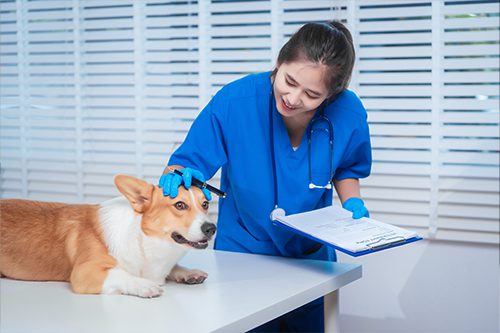
How Much Does a Vet Who Owns Their Own Practice Make?
Practice owners typically earn more than associate veterinarians, but the numbers vary widely from one clinic to the next. The income side of practice ownership depends heavily on how the business is run. An owner’s income usually comes from two sources: pay for the clinical work they perform and the profit the business generates after expenses. American Veterinary Medical Association economic surveys have consistently shown owners out-earning associates on average, though a newer owner carrying a large acquisition loan may take home less than a salaried colleague for the first few years.
What Shapes an Owner’s Take-Home Pay
Several factors determine how profitable a practice becomes and how much of that profit reaches the owner:
- Annual revenue and the number of active clients the clinic serves
- Overhead such as payroll, rent, equipment, and pharmacy inventory
- Monthly loan payments tied to the purchase or build-out
- How many veterinarians on staff are generating revenue
- The service mix, including dentistry, surgery, diagnostics, and wellness plans
The Trade-Offs Behind the Paycheck
Higher earning potential comes with real pressure, and these trade-offs are among the most common challenges of veterinary practice ownership. Owners pay their team, vendors, and lenders before they pay themselves, so a slow quarter hits the owner first. Many spend evenings on scheduling, payroll, compliance, and marketing after a full day of appointments. The ongoing shortage of veterinarians and credentialed technicians adds another layer of stress, since one key resignation can reduce capacity for months.
The largest financial reward often arrives at the end. A well-run hospital builds equity over time, and the eventual sale can represent the single biggest payday of an owner’s career. That long-term value is a major reason veterinarians still pursue practice ownership despite its demands.
How Do You Buy a Veterinary Practice?
Buying an established clinic is the most common path into veterinary practice ownership, and it usually moves faster than building from scratch. The process starts with finding the right opportunity, which might be a retiring mentor’s hospital, a listing through a practice broker, or a buy-in offer from your current employer. From there, buyers order an independent valuation, review several years of financial statements, and assess the condition of equipment, the lease, and the client base.
Due diligence matters as much as price. Buyers should understand staff tenure, client retention trends, and whether the seller plans to stay on during a transition period. An experienced veterinary attorney and an accountant who knows the industry can help spot issues before they become expensive surprises. Taking the time to vet a clinic thoroughly sets the stage for a smoother first year of practice ownership.
What Are Veterinary Practice Ownership Loans?
Veterinary practice ownership loans are financing products built for veterinarians who want to buy, start, or expand a clinic. Lenders in this space understand that a practice’s value lies in its cash flow and client relationships rather than just its real estate, so they often finance a high percentage of the purchase price. Many programs offer longer repayment terms, interest-only periods during the first months of ownership, and the option to bundle working capital, equipment, or renovations into a single loan. Some buyers also use Small Business Administration loans, which can lower the required down payment.
Who Offers Veterinary Practice Ownership Loans?
Several lenders run dedicated veterinary or healthcare practice programs. Common options include:
- Live Oak Bank, which has a long-standing veterinary lending team
- Bank of America Practice Solutions
- Provide, a healthcare-focused lender that is part of Fifth Third Bank
- SBA-approved lenders offering 7(a) loans for practice acquisition
- Regional banks and credit unions with healthcare lending experience
Loan programs and terms change often, so compare current offers from at least two or three lenders before signing.
How to Sell a Veterinary Practice
Selling a clinic works best when owners start planning three to five years ahead, since the exit is one of the most consequential stages of ownership. That runway gives you time to clean up financial records, reduce your personal role in day-to-day production, and strengthen the team that will stay behind. Buyers pay more for practices that run smoothly without the founder in every exam room.
Choosing the Right Buyer
Most sellers choose between three types of buyers: an associate or another individual veterinarian, a small regional group, or a corporate consolidator. Selling to an associate preserves the clinic’s independent identity and often supports a gradual handoff, but individual buyers rely on bank financing, which can cap the price they can offer. A formal valuation helps sellers understand fair market value before negotiations begin, regardless of buyer type.
How to Sell a Vet Practice to Corporate
Corporate groups typically reach out directly or work through brokers who run competitive processes among multiple bidders. A competitive process tends to produce stronger offers than accepting the first letter of intent. Deals with corporate buyers now come in several structures:
- A full sale, often paired with an employment agreement for the selling veterinarian
- A partial sale in which the owner keeps a minority equity stake
- A joint venture or partnership model with shared ownership
- Earn-out arrangements that tie part of the price to future performance
Before signing, sellers should review non-compete terms, how long they must stay, and what control they keep over medical protocols and staffing.
Who Owns Most Veterinary Practices Today?
Independent veterinarians still own the majority of general practices in the United States, though the landscape of practice ownership has shifted dramatically over the past decade. Industry estimates suggest corporate consolidators and private equity firms own roughly a quarter of primary care clinics, while that share jumps to around three-quarters of specialty and emergency hospitals. Because corporate-owned hospitals tend to be larger, they account for a bigger slice of total revenue than their location count suggests.
Mars, Incorporated stands as the largest single corporate owner, operating more than 2,000 U.S. hospitals through brands such as Banfield, VCA, and BluePearl. Other major groups are backed by private equity, including National Veterinary Associates, Mission Pet Health, PetVet Care Centers, Thrive Pet Healthcare, and VetCor. Many clinics keep their original names after an acquisition, so pet owners often don’t realize their local hospital has changed hands.
Are Corporations Still Buying Veterinary Practices?
Yes, corporations continue to acquire veterinary practices, but the market looks different than it did during the pandemic-era buying spree. Industry reports from 2026 describe buyers as more selective, focusing on well-managed hospitals with solid profits and teams that don’t depend on one doctor. Many private equity firms are holding their veterinary investments longer than originally planned, which has slowed some deal activity.
Deal terms have shifted too, giving sellers more ways to stay involved after a sale. Partnership models, retained equity, and longer commitments from selling veterinarians have become more common. For those considering veterinary practice ownership as a long-term investment, demand for high-quality clinics remains strong, even if buyers now negotiate more carefully than they did a few years ago.
Why Clinic Ownership Matters to Your Pet’s Care
Whether you’re a veterinarian mapping out your career or a pet owner choosing a care team, understanding veterinary practice ownership helps you ask better questions. Ownership affects how a hospital sets its priorities, how long staff members stay, and how much continuity your pet receives from visit to visit. No single model fits every community, and great medicine happens in independent and corporate settings alike.
At Chronos Vet, we believe informed decisions lead to stronger relationships between pet families and the professionals who care for them. If you have questions about our hospital, our team, or the care we provide, we’d love to hear from you. Book a discovery session today to start the conversation.
Recent Posts
About Us
Chronos was born from the same challenges your practice faces. Our founders implemented remote staffing in their own clinic and quickly saw incredible results. Now, we’re ready to help you achieve the same. Whether you need help handling phone traffic, managing back-office tasks, or reconnecting with lost clients, we’ve got you covered.